The Ultimate Ladakh Motorcycle Expedition: A Journey Through India’s Majestic Himalayas
If you’ve ever dreamed of an adventure that combines thrilling motorcycle riding with the serenity of high-altitude deserts, Ladakh should be at the top of your bucket list. Known for its spectacular landscapes, high mountain passes, and rich cultural heritage, a
Ladakh Motorcycle Expedition is an experience unlike any other.
For foreign tourists seeking an off-the-beaten-path adventure, riding through Ladakh is a unique way to explore the stark beauty of this remote region of northern India. Whether it’s the mesmerizing views of Pangong Lake, the heart-pounding ride up to Khardung La, or the peaceful solitude of the Buddhist monasteries, every mile you cover on your bike will leave you with memories for a lifetime.
Why Ride Through Ladakh?
Ladakh, often dubbed the “Land of High Passes,” is a dream destination for motorcycle enthusiasts. The thrill of navigating winding mountain roads, crossing some of the highest motorable passes on earth, and exploring villages that are untouched by time is what makes Ladakh an unforgettable motorcycle expedition. Alongside the adrenaline rush, Ladakh offers travelers a unique blend of Buddhist culture, history, natural beauty, and wildlife.
Foreign tourists embarking on a motorcycle journey through Ladakh don’t just get to ride; they get to immerse themselves in a culture rich with tradition, interact with the warm-hearted locals, and experience an adventure that can only be found in this remote part of the world.
The Ultimate Motorcycle Route: What to Expect
A Ladakh motorcycle expedition usually spans 10 to 14 days, covering over 1,500 to 2,000 kilometers, and brings you face-to-face with some of the world’s most spectacular landscapes and high-altitude regions. Here are some of the key highlights along the route:
Leh: The Gateway to Ladakh
Leh is the starting point for most motorcycle expeditions and serves as the heart of Ladakh. It is a bustling town with Tibetan influence, offering travelers a mix of traditional Tibetan architecture, monasteries, and lively bazaars. Key attractions include the Leh Palace, Shanti Stupa, and Thiksey Monastery. This town also provides ample opportunities to acclimatize to the high-altitude environment before venturing further into the wilderness.
Khardung La: Conquering the World’s Highest Motorable Road
The first major challenge on your journey is conquering Khardung La Pass, one of the highest motorable roads in the world at a staggering 5,359 meters (17,582 feet). Located just outside Leh, the ride up to Khardung La is a thrilling adventure, offering breathtaking views of the snow-capped peaks and valleys below. Reaching the summit feels like a true achievement, and there’s even a small café where you can relax and snap a photo with the “World’s Highest Motorable Road” sign.
Nubra Valley: The Sand Dunes and Monasteries
From Khardung La, you descend into the Nubra Valley, a place of contrasts where rugged mountains meet vast sand dunes. The valley is home to the famous Bactrian camels and offers a surreal desert landscape amid the cold desert of Ladakh. Here, you can visit the Diskit Monastery, the oldest in the valley, perched high on a hill overlooking the dunes. The peaceful atmosphere and panoramic views make Nubra Valley one of the most serene places in Ladakh.
Tso Moriri and Tsokar Lakes: Hidden Gems of Ladakh
After Nubra Valley, you head southward to Tso Moriri, a beautiful high-altitude lake located at 4,595 meters (15,075 feet) above sea level. Unlike the crowded Pangong Lake, Tso Moriri remains relatively untouched, offering an aura of solitude and serenity. Surrounded by snow-clad mountains, it’s a perfect spot for reflection and photography.
Not far from Tso Moriri lies Tsokar Lake, another pristine, lesser-known lake. Tsokar is renowned for its saltwater and is a significant breeding ground for migratory birds, particularly during the summer months.
Umling La: The Road Less Traveled
For the more daring riders, Umling La—at a height of 5,883 meters (19,300 feet)—is one of the most thrilling and less-traveled roads in Ladakh. It’s the highest motorable pass in India and perhaps the world, offering a tough challenge for even the most experienced riders. The road here is a true test of endurance, but the views from the top are otherworldly, with panoramic vistas of the surrounding mountains and valleys.
Hanley and DhaHanu: Where the Dards Reside
In the farthest reaches of Ladakh lies the remote village of Hanley and the surrounding DhaHanu region, home to the indigenous Dard people. The Dards are ethnically distinct from the rest of Ladakh’s population and have unique cultural traditions, including their own language and attire. Riding through these villages offers a glimpse into the traditional lifestyle that has remained largely unchanged for centuries.
Hemis Monastery: A Spiritual Stop
No trip to Ladakh is complete without a visit to Hemis Monastery, one of the largest and most famous monasteries in the region. Hemis is known for its vibrant festivals, particularly the Hemis Festival, which celebrates the birth of Guru Padmasambhava. The monastery is an important center of Buddhism in Ladakh and a place of deep spiritual significance.
Ladakh’s Wildlife: A Peek into the Untamed Beauty
Ladakh is home to a fascinating range of wildlife, much of which is adapted to the harsh and arid environment. Among the most iconic species are the snow leopard, Tibetan antelope (chiru), and the wild yak. You may also encounter Himalayan ibex, Marco Polo sheep, and a variety of bird species, including the Himalayan griffon and the bar-headed goose. The region’s remote landscape and low human population have allowed these animals to thrive in their natural habitat.
Apricots and Other Local Delights
While riding through Ladakh, don’t miss out on sampling its unique local flavors, especially the apricots for which the region is known. Ladakh’s apricots are some of the best in the world, prized for their sweet flavor and nutritional benefits. Locals often dry apricots to make delicious jams, juices, and even apricot oil, which is used in traditional medicine.
The Buddhist Spirit of Ladakh
One of the most profound aspects of a Ladakh motorcycle expedition is the opportunity to immerse yourself in the region’s Buddhist culture. Ladakh’s monasteries are filled with statues of Buddha, intricate murals, and centuries-old scriptures. The Buddhist monks you’ll meet along the way are known for their hospitality and peace-loving nature. These monks play a crucial role in preserving Ladakh’s religious and cultural identity, and their quiet wisdom offers a calming contrast to the rugged adventure you’re undertaking.
When to Go: The Best Time for a Ladakh Motorcycle Expedition
The best time to embark on a motorcycle expedition through Ladakh is during the summer months, from June to September. During this period, the roads are open, and the weather is more favorable, though it can still be quite cold, especially at night.
Essential Tips for a Successful Ladakh Motorcycle Expedition
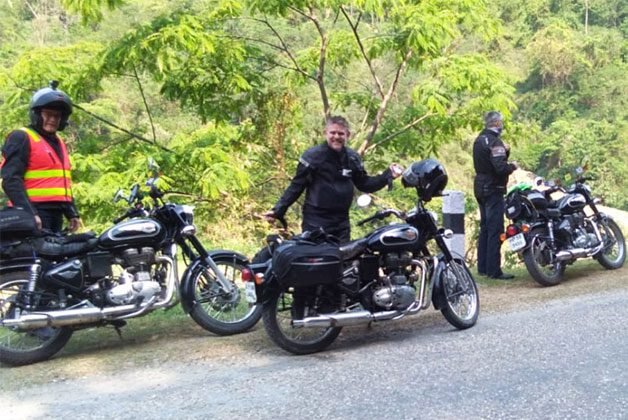
- Choose a reliable motorcycle: Most tour operators offer well-maintained Royal Enfield motorcycles, which are perfect for the rough terrain of Ladakh.
- Acclimatize: Spend a few days in Leh before heading out to allow your body to adjust to the high altitude.
- Stay hydrated: The dry air and high altitude can cause dehydration, so carry plenty of water with you.
- Pack in layers: Temperatures can fluctuate dramatically, so bring both warm and lightweight clothes.
- Respect the culture: Ladakh is a deeply spiritual region with many customs and traditions. Take time to learn and respect the local way of life.
Conclusion: The Adventure of a Lifetime
A motorcycle expedition through Ladakh is an experience that transcends the ordinary. From the stunning views of Khardung La, Umling La, and the serene Tso Moriri Lake, to the rich culture of the Buddhist monasteries, the nomadic villages, and the vibrant wildlife, every moment in Ladakh offers a chance to connect with nature, culture, and adventure in its purest form.
Whether you’re seeking a thrilling ride, a spiritual retreat, or simply a chance to explore a unique corner of the world, a Ladakh motorcycle expedition promises memories and experiences that will last a lifetime.
The Rich Culture of Ladakh: A Land of Spirituality and Tradition
Ladakh’s culture is as distinct and captivating as its landscape. The region’s position as a crossroads between India, Tibet, and Central Asia has made it a melting pot of diverse influences, yet it has maintained a unique identity deeply rooted in its Buddhist traditions and nomadic lifestyle. The culture of Ladakh is reflected in its art, architecture, festivals, food, and the warm hospitality of its people.
Buddhism: The Heart of Ladakhi Culture
At the core of Ladakh’s culture is Buddhism. Ladakh is often referred to as “Little Tibet” due to its strong Tibetan Buddhist heritage. Most of the population here practices Tibetan Buddhism, which influences nearly every aspect of life. The monasteries (locally known as gompas) scattered across Ladakh are not only places of worship but also centers of learning and community.
- Monasteries and Spirituality: Ladakh is home to many iconic monasteries, such as Hemis, Thiksey, Lamayuru, Diskit, and Shey. These monasteries house magnificent statues of Buddha, sacred shrines, intricate murals, and centuries-old manuscripts. They also serve as retreats for monks who follow the teachings of the Dalai Lama and other spiritual leaders.
- Ladakhi Festivals: The Ladakhi people celebrate numerous festivals throughout the year, often in connection with Buddhist traditions. The Hemis Festival, for example, is the most famous and attracts both locals and tourists. Held at the Hemis Monastery, it honors Guru Padmasambhava and includes vibrant mask dances, drumming, and spiritual rituals. Other important festivals include Losar (the Ladakhi New Year) and the
- Phyang Festival.
Nomadic Life: A Connection to the Land
The traditional lifestyle of the Ladakhi people is closely tied to the land. The majority of the population in Ladakh’s remote areas still follows a nomadic pastoral lifestyle, herding yaks and sheep in the rugged mountains. The Changpas, a nomadic community, are famous for their expertise in raising pashmina goats, the source of high-quality cashmere wool.
The nomads travel with their animals, setting up temporary camps in different valleys based on seasonal migrations. Despite the harsh conditions of living in such a remote and high-altitude region, the nomads maintain a simple yet fulfilling life, deeply connected to the rhythms of nature.
Architecture: The Beauty of Ladakhi Design
Ladakhi architecture is a blend of Tibetan Buddhist and traditional Central Asian influences. The Ladakhi house is built to withstand the harsh, cold climate, often using mud bricks or stone, with flat roofs that collect sunlight and heat during the day.
The most striking architectural structures in Ladakh are its gompas and fortresses. These monastic complexes are perched on hills, with expansive courtyards, prayer wheels, and large stupas. Leh Palace, reminiscent of Potala Palace in Tibet, is a former royal residence and an iconic structure in the region.
The Spituk Monastery and Gurudwara Pathar Sahib, a sacred site for both Buddhists and Sikhs, reflect the diversity of Ladakh’s religious architecture, with brightly colored walls, flags, and murals that narrate stories of deities, sages, and the region’s history.
Food and Cuisine: Simple, Nutritious, and Flavorful
Ladakhi cuisine is influenced by its harsh, high-altitude environment, where ingredients are often locally grown or raised. The food is nutritious, simple, and designed to provide sustenance in cold climates.
- Tsampa: A staple food made from roasted barley flour, which is eaten with butter tea or milk. It’s a high-energy food that provides the necessary fuel to survive in the cold.
- Momos: Tibetan-style dumplings filled with meat or vegetables are a popular snack in Ladakh. These are often steamed or fried and served with spicy dipping sauces.
- Butter Tea (Chai): A traditional beverage made by mixing yak butter, tea, and salt, which helps keep the body warm and hydrated in the dry, cold climate. It’s often served with tsampa or bread.
- Thukpa: A noodle soup made with vegetables or meat, providing warmth and comfort after a long day of travel.
- Apricots: Ladakh is known for its apricots, which are used in a variety of dishes, from jams to beverages, and are a vital part of the local diet. The apricots here are renowned for their sweetness and are considered a delicacy.
Clothing: Tradition Meets Function
Ladakhi clothing is as much about practicality as it is about tradition. The Pattu, a long woolen robe, is worn by both men and women to protect against the cold weather. Women wear brightly colored aprons and headscarves, often adorned with beads and coins, especially during festivals. The attire of Ladakhi women is not only functional but also a symbol of their cultural identity.
The chadar (a woolen blanket) is commonly used to wrap around the body and is a crucial part of daily life, especially in the winter months. The Ladakhi cap, often made from wool or felt, is a symbol of pride and cultural pride.
Buddhist Monks and Their Role in Society
Buddhist monks in Ladakh play a central role in the cultural and spiritual life of the region. These monks follow a life of meditation, study, and community service. Many of the monasteries in Ladakh are not only religious centers but also schools where young boys are trained in Buddhist philosophy, astrology, and traditional arts. The presence of monks adds a unique tranquility to the landscapes of Ladakh, as they chant prayers in monasteries perched high above the valleys.
The Ladakhi people hold their monks in high regard, and these monks are the custodians of the region’s history, spirituality, and traditions. It is common for Ladakhis to visit monasteries to seek blessings, light incense, or simply meditate in the peaceful surroundings.
Wildlife and Nature: A Harmony of Life
Ladakh’s wildlife is as extraordinary as its human culture. Despite the harsh environment, the region is home to a diverse range of flora and fauna. Snow leopards, Tibetan antelopes, and Himalayan ibex roam the barren mountains and valleys. The high-altitude lakes like Pangong and Tso Moriri are home to rare species of birds, including the bar-headed goose and the black-necked crane.
Ladakh’s vast, open spaces are also home to wild yaks, domestic goats, and the pashmina goat, whose wool is the source of the region’s prized cashmere. The presence of wildlife is another reminder of the fragile balance between nature and culture in this remote corner of the world.
Conclusion: A Journey Through Time and Culture
Ladakh’s culture is a testament to the resilience of its people, who have lived in harmony with the land for centuries. The Buddhist monasteries, nomadic traditions, distinctive architecture, vibrant festivals, and unique food all come together to create a place unlike any other in the world.
As you embark on a motorcycle expedition through Ladakh, you’ll not only traverse the rugged terrain of the Himalayas but also experience the rich culture and deep spirituality that define this extraordinary region. Whether it’s riding past ancient monasteries, interacting with the monks, savoring a cup of butter tea, or simply watching the wildlife roam freely through the valleys, Ladakh offers an unforgettable journey into the heart of one of the world’s most unique cultures.